
Own a pre-war cottage or Queenslander in Paddington, Ashgrove or Toowong? There is a fair chance your block sits inside the Traditional Building Character overlay: and that shapes what your front fence should look like. The good news: the low, open picket styles it favours are exactly what makes a character home shine.
The quick answer
The overlay, part of Brisbane City Plan 2014, protects streets of houses built in 1946 or earlier.
Its design code asks that street-visible fencing be low and transparent and complement traditional fencing styles.
Council’s own guide puts traditional front fences at about 1.2 to 1.5 m: open picket and palisade styles, not solid walls.
Check your address with Council’s City Plan online mapping tool, and keep privacy screening for side and rear boundaries.
What is the Traditional Building Character overlay?
The Traditional Building Character (TBC) overlay is a layer of Brisbane City Plan 2014 covering areas and streets in older suburbs where houses built in 1946 or earlier collectively give the street its identity. Brisbane City Council describes its purpose as maintaining the traditional, pre-1947 streetscape: the timber-and-tin houses, setbacks, gardens and fences.
Checking your home takes minutes: search your address in Council’s City Plan online mapping tool, switch on the overlay layers and see whether the TBC or Heritage overlay touches your lot. A Property Lot Report gives the full picture.
What the overlay means for your front fence
For fencing, the Traditional building character (design) overlay code boils down to two ideas: keep it low, and keep it see-through. It asks that a fence visible from the street is “low and transparent” and complements the traditional fencing styles of the area: a front fence here is meant to frame the house and garden, not hide them.
Council publishes a dedicated guide, Brisbane’s traditional fencing styles. It notes traditional front fences sat between 1200 mm and 1500 mm, were deliberately see-through to show off the front garden, and were painted in pale colours or the colour of the house joinery. Timber pickets fronted classic timber-and-tin homes across the Victorian, Federation and Interwar periods; grander houses had iron palisade panels between masonry piers.
The era-appropriate look, minus the timber maintenance
You could rebuild in timber: but in Queensland that means rot, termites, warping pickets and regular repainting. An open aluminium picket fence gives you the silhouette the overlay is written around (evenly spaced vertical pickets, visible posts, a matching gate) and never needs more than a hose-down:
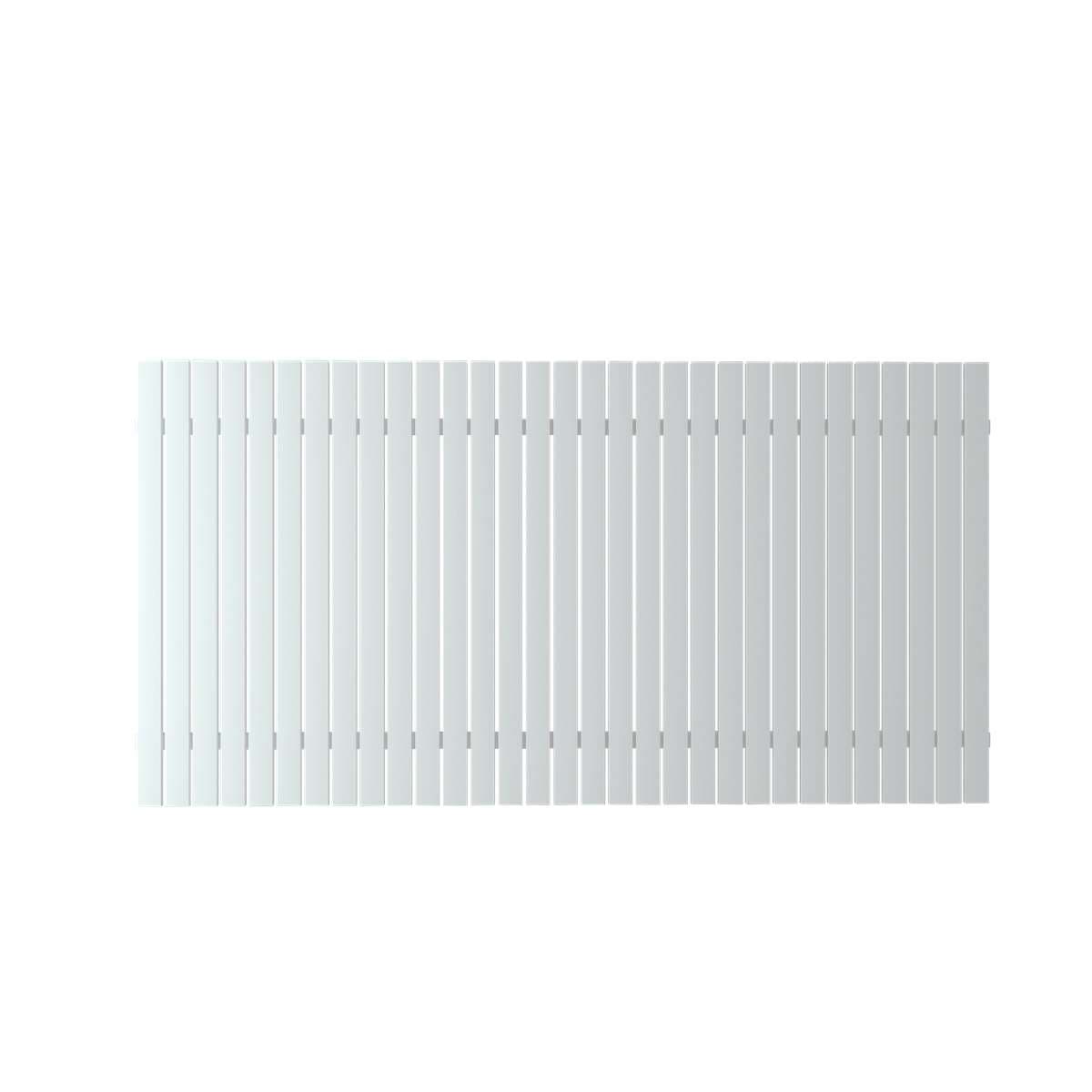
Vertical picket panels. Even spacing keeps the fence genuinely transparent, and the vertical rhythm reads as classic Queenslander from across the street. Compare profiles in our guide to slat, picket and blade fence styles, or browse picket panels and gates in the online shop.
Heritage-appropriate colours. A crisp white powder coat echoes the painted timber joinery Council’s guide describes, while deep charcoal or black nods to old iron palisade panels. Our aluminium fence colours guide shows how each finish reads.
A finish that lasts. The panels will not rust or rot, and the powder coat holds its colour in the sun: the heritage look without the upkeep.
What to avoid on the front boundary
The front fences that cause grief in overlay streets are the ones that fight the “low and transparent” principle: tall solid walls, sheet-style panels and near-solid slat screens across the street frontage. They hide the house the overlay exists to protect, sit well above the traditional 1.2 to 1.5 m band, and are far more likely to need planning approval: with no guarantee of the answer you want.
Front vs backyard: where privacy belongs
The overlay bites hardest at the street. Side and rear fences were traditionally taller and more utilitarian than front fences, so that is where your privacy budget should go. A tight-gap aluminium slat screen on a side or rear boundary gives you a private backyard while the front stays open and era-appropriate. Our privacy slat-spacing guide covers how much gap you need, and our Queensland fence height rules guide explains why 1.8 m is the boundary sweet spot: a domestic fence generally needs building approval only once it tops 2 m.
Approval pathways in brief
Building approval is triggered when a fence exceeds 2 m above natural ground, overlay or not.
Planning approval depends on your zoning and overlays. Some fence work is accepted development when it meets the relevant requirements; street-visible changes on a character property are where applications are most commonly triggered.
Local heritage places (the stricter Heritage overlay) follow their own rules: works may need approval, though minor works can qualify for an exemption certificate.
When in doubt, check City Plan online or call Brisbane City Council on 07 3403 8888.
Outside Brisbane, the rules change with the council. Ipswich’s character housing areas and Toowoomba’s heritage precincts run under their own planning schemes: check with your local council rather than assuming Brisbane’s code applies.
Getting the sizing right for a period frontage
The practical catch with character blocks: frontages rarely divide neatly into standard panel bays. Narrow workers’-cottage lots, sloping footpaths and existing masonry piers all defeat off-the-shelf sizing. That is where custom panel sizing earns its keep: FY Fencing panels are made to order, so bays can be built to the exact widths and low heights a period frontage calls for.
Panels bolt together DIY-style: our installation guide walks you through it: or we can arrange professional installation. Browse the full aluminium fencing range for Brisbane, and we deliver across South East Queensland (Brisbane, Logan, Ipswich, Gold Coast, Sunshine Coast, Toowoomba and surrounds) or collect from our Slacks Creek yard. Returning customers pick up loyalty discounts too.
Frequently asked questions
How do I know if my house is in the Traditional Building Character overlay?
Search your address in Brisbane City Council’s City Plan online mapping tool, turn on the overlay layers and see whether it covers your lot. A Property Lot Report lists every zone and overlay that applies.
Can I build a solid front fence on a character home in Brisbane?
In the overlay, the design code asks for street-visible fencing that is low and transparent, so a tall solid wall or near-solid screen works against it and is far more likely to need planning approval. Solid screening belongs on side and rear boundaries.
How tall should a character home front fence be?
Council’s traditional fencing styles guide says front fences historically sat between 1200 mm and 1500 mm. Staying inside that band in an open picket style keeps the fence in scale with the house and street.
Do I need approval to replace a front fence in the overlay?
It depends on your property and the work. Fences over 2 m need building approval, and street-visible work on character or heritage properties can need planning approval. Check City Plan online or call Brisbane City Council on 07 3403 8888 before you start.
Does an aluminium picket fence suit a Queenslander?
Yes: an open vertical picket fence mirrors the low, transparent timber fences these homes originally had, and a white or soft heritage-tone powder coat echoes painted timber joinery. Unlike timber, aluminium will not rot, warp or need repainting.
Can I still get privacy if my home is in the overlay?
Absolutely: the overlay’s fencing focus is the street frontage. Side and rear boundaries are where privacy belongs: a tight-gap aluminium slat screen at up to 1.8 m gives you a private backyard while the front stays low and open.
This article is general information only, not planning, legal or building advice. Overlay mapping and code requirements change and are applied property by property: confirm the current requirements for your address with your council or a qualified town planner before building. Nothing here guarantees any approval outcome.
Working out what your fence line needs? Tell us the run and the height and we will quote it, supply-only or installed.
- Brisbane-based supplier
- Aluminium fencing & gates
- Supply or installed